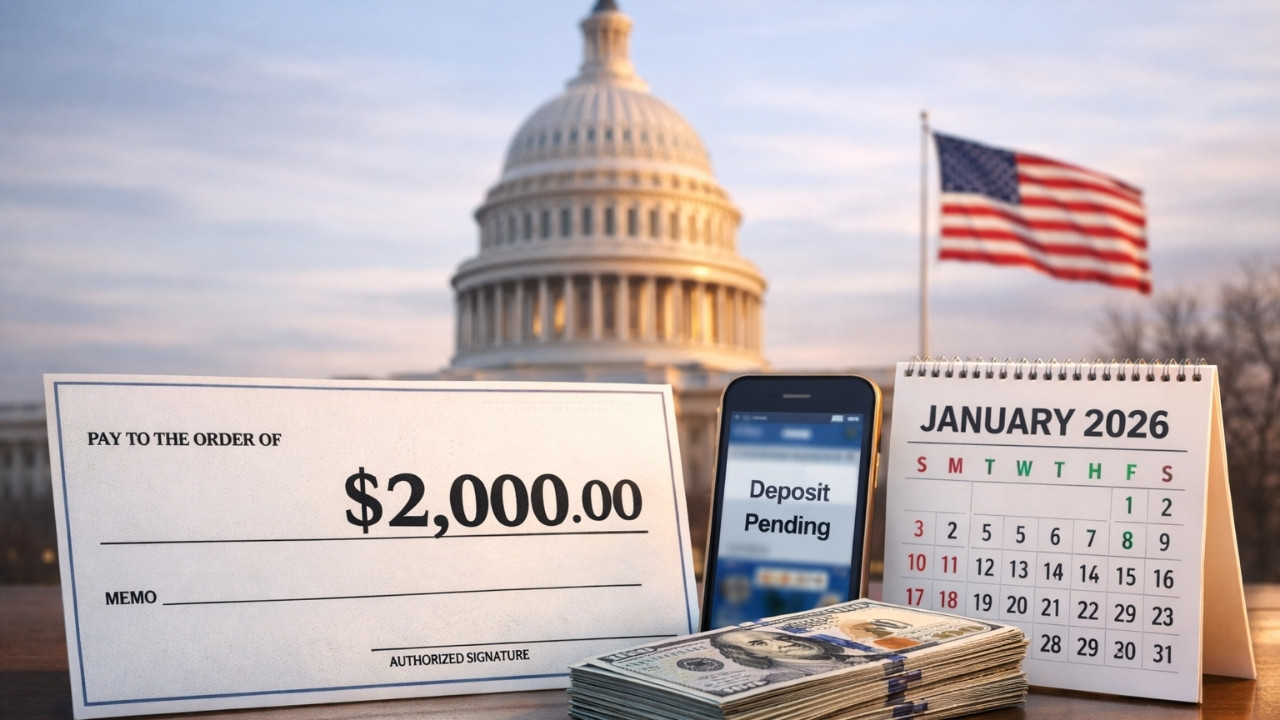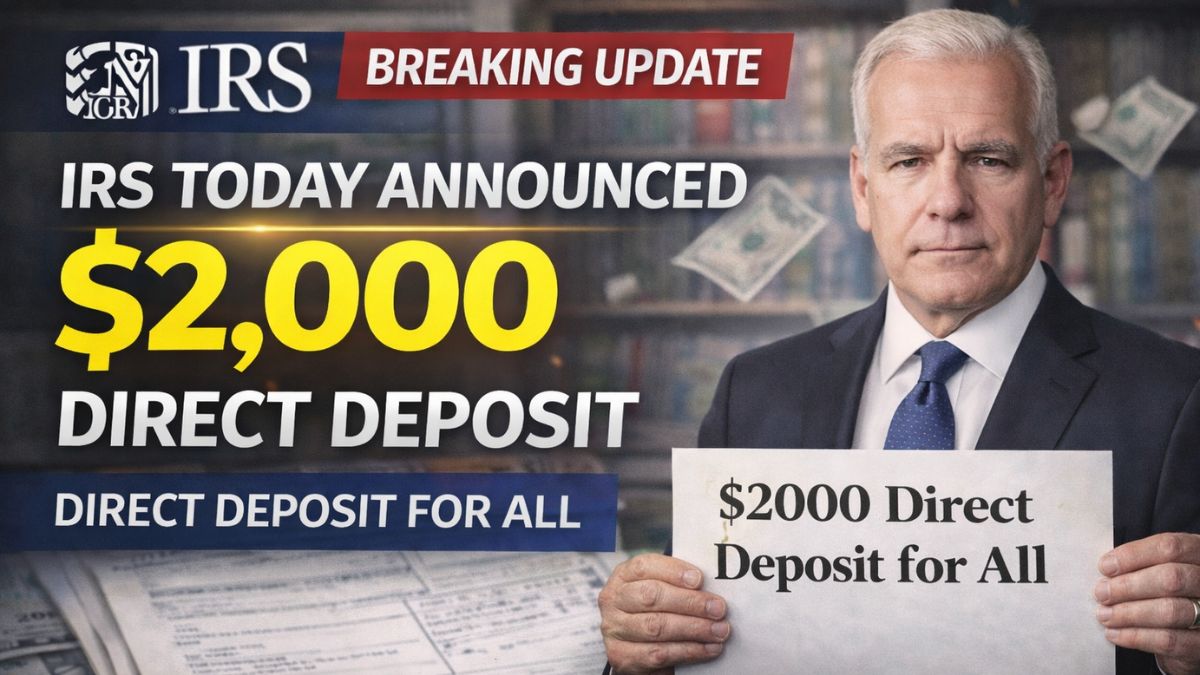
Federal $2000 Deposit Arriving January 2026: As January 2026 gets closer, social media platforms, blogs, and online group chats are filled with claims about a $2,000 federal deposit arriving automatically in bank accounts. Many posts confidently state that the payment is already approved and guaranteed. With daily expenses such as food, rent, fuel, and healthcare continuing to rise, it is natural for people to hope that financial relief is on the way.
However, not every message shared online is based on verified information. At present, there is no confirmed federal program that guarantees a nationwide $2,000 payment for everyone in January 2026. Understanding the difference between online rumors and official government action is essential to avoid disappointment and financial risk.
No Official Approval Has Been Announced
When the U.S. government sends money to the public, the process is always transparent and well documented. Congress must pass a law, funding must be approved, and the President must sign the legislation. After that, agencies like the IRS and the U.S. Treasury release clear details about eligibility, payment amounts, and delivery dates.
यह भी पढ़े:
 $2,000 Direct Deposits in January 2026: Eligibility, Schedule, and Rules for Beneficiaries
So far, none of these steps have taken place for a universal $2,000 payment tied to January 2026. There has been no official announcement from Congress, the Treasury Department, or the IRS. Government programs are never launched quietly through viral posts or anonymous websites, which strongly suggests the current claims are not official.
Why These Payment Stories Spread So Easily
Rumors about federal deposits are not new. During earlier years, especially around the pandemic, stimulus payments were real and helped millions of Americans. Because of that experience, new claims sound believable. Many people think that if it happened before, it can happen again without warning.
Financial pressure also plays a big role. When household budgets feel tight, people are more likely to believe and share positive news about money. Some websites and social media pages take advantage of this by posting dramatic headlines to gain attention, clicks, and advertising income, even when the information is incomplete or misleading.
The Growing Risk of Scams
Whenever talk of government payments increases, scammers quickly follow. Fake messages begin circulating that ask people to “confirm eligibility” or “verify bank details” to receive the $2,000 deposit. These messages often look urgent and official, but they are designed to steal personal or financial information.
Federal agencies do not contact people through unexpected texts, emails, or social media messages asking for sensitive details. Any message that demands immediate action or requests private information should be treated as suspicious. Protecting personal data is just as important as staying informed.
How Legitimate Federal Payments Are Issued
Real federal payments follow a clear and predictable process. First, legislation is debated and approved. Then, agencies set eligibility rules, which usually include income limits, benefit status, or tax filing requirements. After that, the government announces when payments will be sent and how people can track them.

In previous programs, direct deposit was the fastest method, using bank information already on file. Paper checks or prepaid cards were sent later to others. Even then, payments were often issued in phases, not all at once. People were given official tools to check payment status, not asked to rely on rumors.
Why “Everyone Gets $2,000” Claims Are Unlikely
Broad payments with no conditions for every adult are very rare. Most government relief programs are targeted toward specific groups, such as low-income households, retirees, or people receiving certain benefits. That is why claims stating that everyone will automatically receive $2,000 should be viewed carefully.
Targeted programs allow the government to focus support where it is most needed. While future relief programs are possible, they would still include clear eligibility rules and public explanations. Without those details, sweeping claims should not be trusted.

How to Stay Informed the Right Way
Staying informed does not mean believing everything that appears online. Reliable information about federal payments comes directly from official government websites and trusted news outlets. If a real payment program is approved, it will be widely reported and clearly explained.
Planning finances around unconfirmed money can lead to stress and poor decisions. It is safer to base budgets on confirmed income and savings rather than rumors. Patience and verification are better than reacting quickly to headlines designed to create excitement.
What to Do If You See Payment Claims Online
If you come across posts claiming a guaranteed $2,000 deposit, take a moment before sharing or reacting. Check whether the information is backed by official sources. Look for statements from the IRS, Treasury, or Congress rather than screenshots or forwarded messages.

Ignoring unverified claims and avoiding suspicious links can protect both your finances and your peace of mind. When real help is approved, the government will make sure the public knows through official channels.
At this time, talk of a guaranteed $2,000 federal deposit arriving in January 2026 is based on online rumors, not confirmed government action. While financial relief programs may exist in the future, no official steps have been completed for this specific claim. Staying cautious, informed, and alert is the best approach.
In a digital world where information spreads quickly, checking facts before believing them can protect both expectations and personal security.

Disclaimer
This article is for general informational and educational purposes only. It does not provide financial, legal, or tax advice. Government programs, payment policies, and eligibility rules may change based on official decisions and new legislation. Readers should verify information through official U.S. government sources and consult qualified professionals before making financial plans or sharing personal details related to payment claims.